


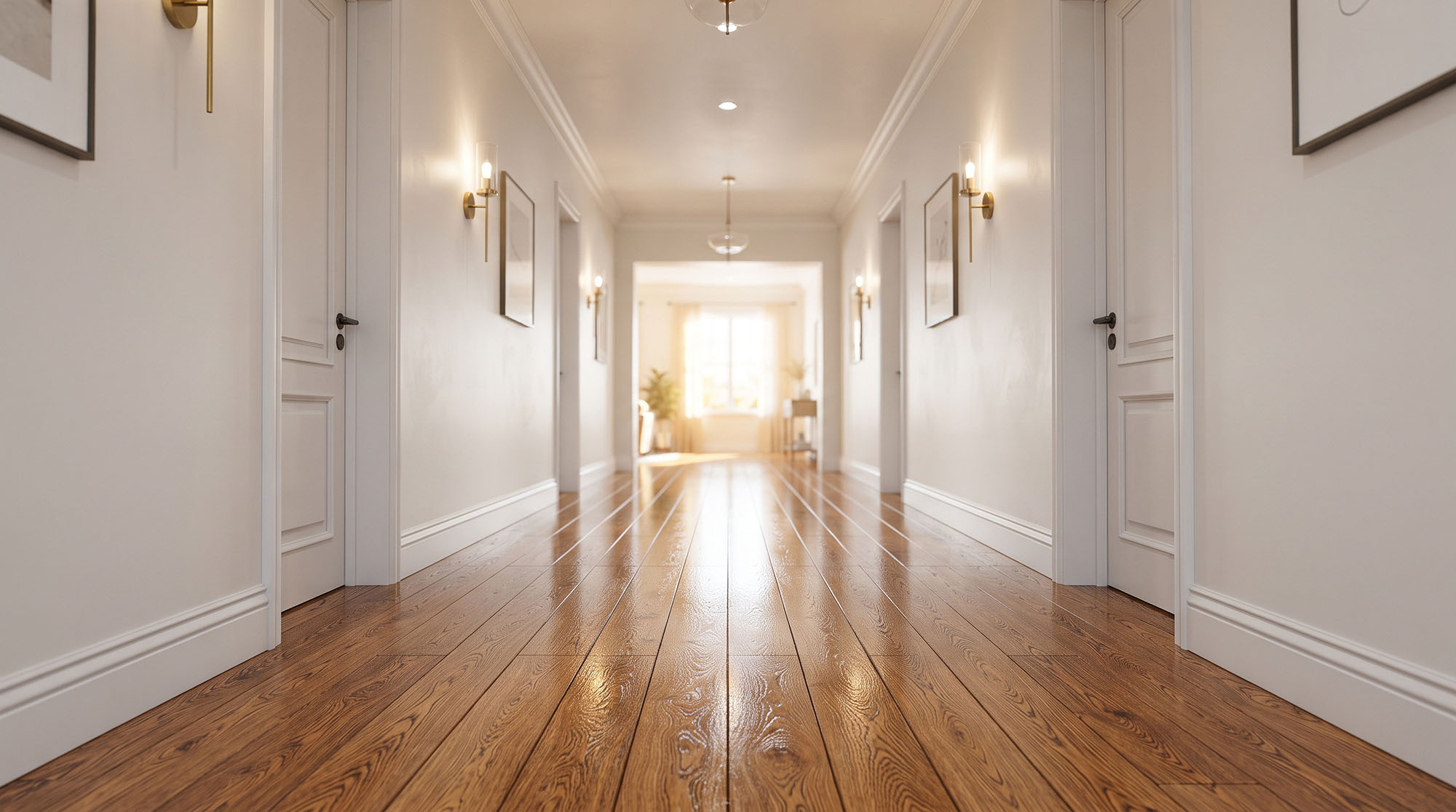
Maryland summers bring warm temperatures, muggy afternoons, and periods of high outdoor humidity that can affect the hardwood floors inside your home. Whether you live in a traditional home in Bethesda, a family residence in Rockville, or a newer property in Gaithersburg, excess indoor moisture can cause wood flooring to expand, cup, or develop gaps as conditions change.
At Renaissance Floors, we believe protecting your hardwood starts with understanding how moisture affects wood and maintaining a comfortable indoor environment throughout the season.
At a Glance
Control indoor humidity: Aim for a relative humidity level of 35%–55%, while following your flooring manufacturer's recommendations.
Use air conditioning and dehumidification: Reduce excess moisture during Maryland's humid summer months.
Watch for warning signs: Cupping, buckling, and unusual gaps can indicate moisture-related problems.
Clean carefully: Avoid soaking hardwood floors or leaving spills unattended.
Consider your flooring options: If your space experiences frequent moisture fluctuations, explore alternatives that suit your household and room conditions.
Why Maryland Summers Can Affect Hardwood Flooring
Hardwood naturally absorbs and releases moisture from the surrounding air. When humidity rises, wood absorbs moisture and expands. When indoor air becomes drier, it releases moisture and contracts.
This seasonal movement is particularly relevant in Montgomery County, where summer weather can shift between hot, humid days and heavy thunderstorms. Homes in Silver Spring, Aspen Hill, North Bethesda, and North Potomac may experience changing indoor moisture levels depending on insulation, ventilation, air conditioning, and the age of the property.
In some homes, these changes can contribute to cupping, where board edges rise above the centers, or buckling, where flooring lifts away from the subfloor. Understanding hardwood flooring humidity concerns early can help you prevent avoidable damage and protect your investment.
Maintain the Best Humidity Levels for Hardwood Flooring
One of the most effective ways to protect your floors is to keep indoor humidity relatively stable. A range of 35%–55% relative humidity is a useful general target, although your flooring manufacturer may recommend a narrower range.
A digital hygrometer makes it easy to monitor moisture levels in your home. Check readings regularly during particularly muggy weather, especially in rooms over basements, near exterior doors, or in areas where air circulation is limited.
If humidity remains high, use your air conditioning system or a dehumidifier to bring moisture levels under control. Avoid making abrupt changes to indoor conditions, as rapid shifts can also stress wood flooring.
For additional guidance on wood species, installation considerations, and maintenance, explore our hardwood flooring information.
How to Protect Hardwood Floors from Humidity in Summer
A few consistent habits can make a meaningful difference in how your floors handle Maryland's summer weather.
1. Keep Your Home Comfortably Climate-Controlled
Run your air conditioning consistently when needed rather than allowing indoor temperatures and humidity to fluctuate dramatically. If you spend weekends away from your Rockville or Gaithersburg home, avoid turning the system off entirely during humid weather.
2. Clean Up Water Promptly
Rain tracked in during summer storms, wet shoes, and spills can introduce moisture directly to the floor. Place absorbent mats near entrances and wipe up liquid immediately with a soft, dry cloth.
When cleaning, use a hardwood-floor cleaner approved for your finish. Avoid steam mops, soaking-wet mops, and excessive water, which can penetrate seams and damage the wood.
3. Improve Air Circulation
Keep interior doors open where practical and make sure furniture, rugs, and stored belongings do not unnecessarily obstruct airflow. Pay particular attention to rooms that feel stuffy or consistently more humid than the rest of your home.
4. Look for Early Signs of Moisture Damage
Inspect your floors periodically for raised edges, unusual gaps, discoloration, or areas that feel uneven. These changes can have several causes, so avoid assuming humidity is the only problem. If you notice persistent changes, have the flooring and any potential moisture source assessed before attempting repairs.
Preventing Hardwood Floor Warping and Cupping in Humid Weather
Preventing hardwood floor warping and cupping in humid weather begins with controlling moisture before visible damage develops. Make sure plumbing leaks, damp basements, and water intrusion around windows or exterior doors are addressed promptly.
Installation also matters. Wood needs to acclimate appropriately to the conditions in your home, and the subfloor must meet the flooring manufacturer's moisture requirements. If you're planning a renovation, professional guidance can help you choose a suitable product and installation method for your space.
Solid hardwood and engineered hardwood respond differently to environmental changes. Engineered hardwood has a layered construction that generally offers greater dimensional stability than solid wood, although neither option is completely immune to moisture damage. Our hardwood flooring selection is a helpful starting point when comparing styles for your home.
Are Other Flooring Options Worth Considering?
Hardwood remains a popular choice for its natural warmth and timeless appearance, but it isn't the only option for every room. If you're updating a mudroom, laundry area, or another space where water exposure is more likely, consider materials designed for those conditions.
Explore our tile flooring options for areas where moisture resistance is a priority. The right choice depends on the room, expected water exposure, subfloor, and your design preferences.
Financing Your Flooring Project
If you're considering new flooring or planning a broader home renovation, budgeting is an important part of the process. We can help you explore flooring choices that suit your home's style and your project goals. Learn more about our financing options, subject to credit approval.
Protect Your Floors with Help from Renaissance Floors
Maryland summers don't have to compromise the beauty of your hardwood floors. By monitoring indoor humidity, maintaining consistent climate control, cleaning up moisture promptly, and addressing warning signs early, you can help preserve your flooring for years to come.
Whether you're caring for existing hardwood or planning an update in Bethesda, North Bethesda, Rockville, Aspen Hill, Gaithersburg, or North Potomac, Renaissance Floors is here to help you make an informed choice.
Ready to protect your floors or explore new flooring for your home? Contact Renaissance Floors to discuss your project and find the right flooring solution for your space.


